Order Font: A Free, Modern Typeface for Your Projects
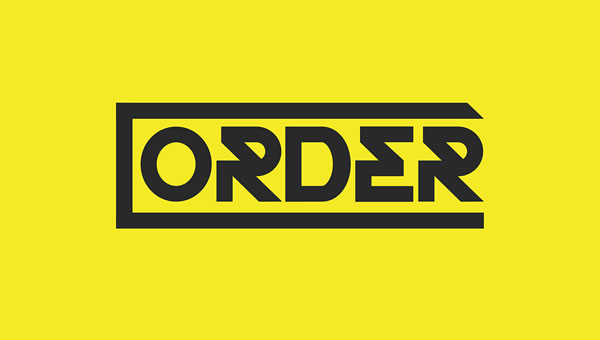
Finding a typeface that balances clean geometry with genuine character is a common challenge. Many sans serif fonts feel sterile, while overly decorative ones sacrifice clarity. The Order font, a free creation by designer Mike Hill, strikes a compelling middle ground. It’s a modern, versatile typeface that brings a subtle human touch to structured letterforms, making it a valuable asset for a wide range of creative work.
Understanding the Order Typeface Family
Order isn't a single font; it's a family of four variations, each with a distinct personality. This variety allows for nuanced applications across different projects.
- Order Regular is the foundational style. It features clean, well-proportioned letters with a slightly soft, approachable feel. The terminals are rounded, not sharp, which gives it a friendly yet professional demeanor. This is your workhorse for body text and headlines that need to feel modern and clear.
- Order Light offers a thinner, more delicate weight. It excels in creating visual hierarchy and elegance. Use it for subtitles, captions, or in designs where a sense of spaciousness and sophistication is desired. Pair it with the Regular weight for a classic, balanced contrast.
- Order Outline is a standout feature. This open, linear version adds a dynamic, graphic quality. It’s perfect for creating eye-catching logos, poster headlines, or social media graphics where you want the typography to be a central design element. The outline style works beautifully when layered with a solid fill from another Order variation.
- Order Rounded takes the friendly aesthetic to its logical conclusion. With fully rounded corners, it feels exceptionally warm, casual, and contemporary. This style is ideal for projects targeting younger audiences, tech startups, or any brand that wants to communicate approachability and innovation.
Where the Order Font Truly Shines
The real test of any creative font is its performance in real-world scenarios. Order’s strength lies in its adaptability across multiple domains.
For brand identity and logo design, Order provides a solid foundation. The Regular and Light weights can form the basis of a clean, memorable wordmark, especially for tech, lifestyle, or creative service brands. The Outline variation offers a unique twist for a distinctive logo lockup. Its modern typography feel ensures a brand looks current without being trendy.
In editorial and publishing design, Order proves its worth. It’s a strong choice for magazine headlines, book titles, and website headers. The clear letterforms ensure high readability even at smaller sizes, which is crucial for both print and digital layouts. For a blog or online publication, using Order for headings paired with a simple serif font for body text can create a professional, engaging reading experience.
Digital applications are where Order’s versatility is particularly evident. It translates seamlessly to web design, app interfaces, and social media graphics. The font’s inherent legibility on screen is a significant advantage. Imagine using Order Rounded for a playful Instagram story, Order Regular for a clean LinkedIn post, and Order Outline for a bold YouTube thumbnail. This consistency in style across platforms strengthens brand recognition.
Even for packaging design, the font family offers practical solutions. Order Regular can handle product information clearly, while Order Light or Outline can be used for elegant product names or descriptive callouts on labels and boxes.
Practical Guidance for Using Order
Before integrating Order into your next project, consider these practical steps to ensure it’s the right fit.
Evaluate the Project’s Tone: Does your project call for a friendly, modern, and clean aesthetic? If yes, Order is a strong candidate. If you need a highly traditional, authoritative, or ornate look, you might need a different premium font or a classic serif font.
Test Font Pairings: A typeface rarely works in isolation. Experiment with pairing Order with other fonts. For a high-contrast, editorial look, try combining Order Regular with a robust serif font like Merriweather or Lora. For a harmonious, all-sans-serif system, pair Order with a neutral sans serif like Inter or Roboto.
Review the Included Styles: Don’t just download and use the Regular. Explore the Light, Outline, and Rounded variations. The Outline font, for instance, might be the perfect solution for a specific design challenge you’re facing, like creating a standout header for a presentation.
Readability is Key: Always test your chosen weight and size in context. While Order is designed for clarity, the Light weight may become challenging to read at very small sizes or on low-contrast backgrounds. Use the bolder Regular or Rounded weights for smaller text or critical information.
Understand the Licensing: Order is a free font, which is fantastic for personal projects, startups, and testing. However, for commercial projects—like client work, products for sale, or large-scale marketing campaigns—it’s essential to verify the exact license terms provided by the designer. Many free fonts come with licenses that permit both personal and commercial use, but checking is a professional necessity.
Ultimately, the Order font family is more than just a set of letters. It’s a design system that offers flexibility, modern appeal, and practical value. By understanding its strengths and applying it thoughtfully, you can use Order to create cohesive, professional, and engaging visual communications that resonate with your audience.