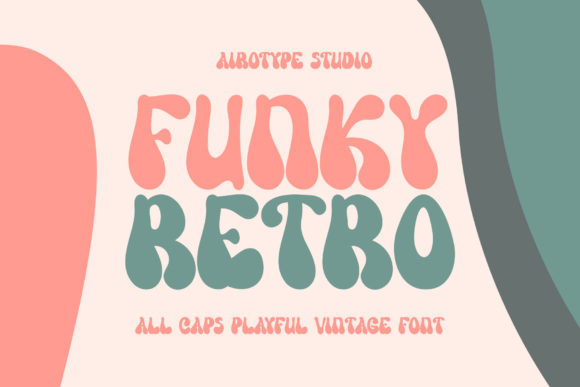
Funky Retro: A Bold Display Font for Modern Projects
The Sweet, Dynamic Personality of Funky Retro
Funky Retro isn't just another vintage-inspired typeface. It's an all-caps display font that brings a specific kind of energy to the table—bold, sweet, cute, and undeniably dynamic. If you've ever scrolled through a design resource site looking for something that feels nostalgic yet fresh, you've probably encountered fonts that lean too heavily into one era or feel overly stylized. Funky Retro strikes a different balance. It carries the warmth of mid-century typography with a modern twist that makes it surprisingly versatile.
What makes this creative font stand out? First, the letterforms are chunky and confident. Each character has presence, which is exactly what you want from a display font. The curves feel playful without being childish, and the overall weight gives it enough visual authority to anchor headlines, logos, and packaging. There's a sweetness to the design that softens its boldness—think of it as the typographic equivalent of a well-designed vintage poster that makes you smile before you even read the words.
The all-caps construction means Funky Retro works best at larger sizes where its personality can breathe. This isn't a serif font for body copy or a sans serif font for long paragraphs. It's a statement piece. When you set a headline in Funky Retro, people notice. The font carries enough character to do the heavy lifting in a design, which means you can keep supporting elements simple and let the typeface do its thing.
Where Funky Retro Really Shines
Let's talk about practical applications, because a font is only as good as the projects it elevates. Logo design is probably the most natural home for Funky Retro. If you're building a brand identity for a coffee shop, a boutique clothing line, a craft brewery, or a creative studio, this font gives you instant personality. The bold all-caps style reads well at various sizes, from business cards to signage, and the retro-modern vibe communicates a brand that's approachable yet intentional.
Packaging design is another area where Funky Retro excels. Think about product labels, box art, or hang tags. The font's sweet, dynamic quality makes it ideal for brands that want to feel fun and trustworthy simultaneously. A premium font like this can elevate a small business's packaging from homemade to professional without losing the handmade charm that customers love. If you're selling candles, baked goods, cosmetics, or artisan products, Funky Retro gives your typography a distinct voice.
For social media graphics, the font performs well in Instagram posts, Pinterest pins, YouTube thumbnails, and story overlays. Social platforms reward bold visual choices, and an eye-catching display font helps content stand out in crowded feeds. Because Funky Retro has such a strong personality, you can pair it with clean photography or minimal layouts and still create scroll-stopping content. Bloggers and content creators often struggle with finding fonts that look good on screen and match their aesthetic—Funky Retro solves that problem without much effort.
Poster design, event flyers, and editorial design projects also benefit from this typeface. It has enough weight to work as a primary headline font and enough charm to support creative layouts. Whether you're designing a music festival poster, a workshop announcement, or a magazine cover, the font brings energy and warmth to the composition.
How the Right Display Font Shapes Perception
Typography does more than display words—it communicates feeling. When someone encounters Funky Retro on a logo or product label, they instantly form an impression. The font's retro personality suggests authenticity, creativity, and a certain playfulness that modern geometric typefaces often lack. For small business owners and entrepreneurs, this matters. Your typography is part of your brand identity, and choosing a modern typography option with vintage roots signals that you understand design without taking yourself too seriously.
Visual hierarchy is another consideration. A bold display font like Funky Retro naturally commands attention, making it an effective tool for organizing information. Pair it with a clean sans serif font for subheadings and body text, and you've got a readable, visually interesting layout. The contrast between a dynamic headline font and a straightforward supporting typeface creates rhythm on the page or screen, guiding the reader's eye through your content in a logical way.
Consistency across touchpoints also becomes easier when you commit to a strong typeface. Use Funky Retro across your website headers, email templates, social media banners, and printed materials, and your audience starts recognizing your brand before they even read your name. That kind of recognition is invaluable for creators and businesses trying to build a loyal following.
Choosing and Pairing Funky Retro in Your Projects
Before committing to any commercial font, it's worth evaluating fit. Start by looking at your project's tone. Funky Retro works beautifully for brands and designs that lean fun, creative, nostalgic, or approachable. It might not suit a law firm's website or a corporate annual report, but for most creative and consumer-facing projects, it's a strong choice. Consider your audience too. Adults aged 20 to 50 respond well to retro-inspired design because it feels familiar yet contemporary—a sweet spot for engagement.
Font pairing is where many designers get stuck, so here's some practical advice. Funky Retro pairs well with simple, geometric sans serif fonts like Montserrat, Poppins, or Work Sans. The clean lines of these companions let Funky Retro's personality take center stage without visual competition. If you want something warmer, try pairing it with a humanist sans serif or even a subtle script font for accent text. Avoid pairing it with another display font or heavily stylized handwritten font, as the combination will feel cluttered.
Check what's included with the font before purchasing. Most design assets like Funky Retro come with multiple styles, alternates, or ligatures that expand your creative options. Test the font at the actual sizes you'll use it—what looks great in a preview might need kerning adjustments or size tweaks in context. Readability always matters, even with a display font. Set your headlines, step back, and make sure the words are instantly legible.
Finally, understand the licensing. If you're using Funky Retro for client work, merchandise, or products you sell, confirm that the license covers commercial use. Most premium font licenses are straightforward, but it's worth verifying before you build an entire brand identity around a typeface. Investing in properly licensed design assets protects your work and supports the designers who create the tools we rely on.
Funky Retro brings something specific to the table: a bold, sweet, dynamic voice that works across dozens of creative contexts. Whether you're designing a logo, packaging a product, crafting social content, or laying out a poster, this creative font gives your work personality and polish. The key is knowing when to use it, how to pair it, and where its strengths align with your project goals. Get those pieces right, and Funky Retro becomes one of the most useful fonts in your toolkit.