Comic Caps: The Playful Font That Brings Energy to Any Design
More Than Just a Funny Typeface
When you first see Comic Caps, your mind probably jumps straight to childhood comics, playful announcements, or maybe that one quirky brand you follow on social media. That instant recognition is exactly the point. This display font is designed to inject personality and a lighthearted vibe into your projects without trying to be something it’s not. It’s not a serif font for long-form reading, nor is it a clean sans serif font for corporate reports. Comic Caps is a creative font with a clear job: to make things look fun, approachable, and energetic.
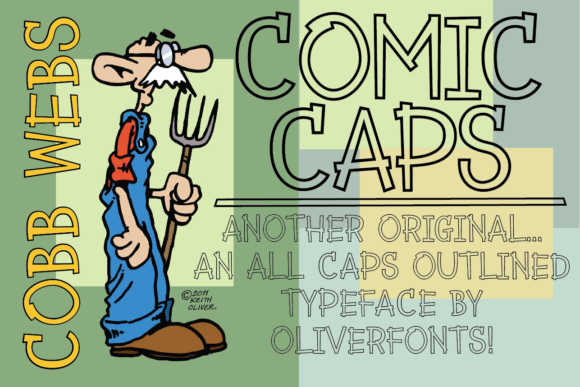
Visually, it has a hand-lettered, slightly irregular charm. The letterforms are bold, rounded, and built with a confident, informal stroke that feels spontaneous yet legible. You’ll notice the consistent use of capital letters—hence the “Caps”—which gives it a strong, punchy presence on the page or screen. The overall personality is friendly, optimistic, and a little bit mischievous. It doesn’t take itself too seriously, which makes it an excellent tool for designs that need to connect with an audience on a human, emotional level.
Where This Font Truly Shines
Think of Comic Caps as the enthusiastic team member in your font library—the one who’s perfect for specific situations where a little extra flair is needed. Its strength lies in short, impactful text. This makes it a natural fit for logo design for family-friendly brands, children’s products, party planners, or any business with a casual, fun identity. Imagine a logo for a local ice cream parlor or a weekend workshop; Comic Caps sets the right tone instantly.
Beyond logos, it’s a powerhouse for social media graphics. In a crowded feed, a bold, playful display font stops the scroll. Use it for Instagram quotes, sale announcements, YouTube thumbnails, or Facebook event headers. The font’s high visibility and cheerful character can significantly boost engagement for posts promoting a new product, a special offer, or community interaction. It translates well to packaging design too, especially for items targeting a younger demographic or those meant to feel playful, like snack foods, craft kits, or party supplies.
In editorial design, reserve it for pull quotes, section headers, or chapter titles in magazines or blogs aimed at a creative audience. It can break up the monotony of body text and add a visual marker that guides the reader. For personal projects like scrapbooking, birthday invitations, or custom greeting cards, Comic Caps is a dream. It adds a handcrafted, personal touch that generic fonts can’t match. Even in web design, it can be used sparingly for call-to-action buttons or feature headlines on sites for toy stores, amusement parks, or creative agencies.
Practical Guidance for Using Comic Caps Effectively
Choosing any font, including a premium font like this one, is about context. The first step is to evaluate your project’s goals and audience. Is your brand voice serious and authoritative, or is it friendly and approachable? Comic Caps leans heavily toward the latter. If you’re designing a legal firm’s website, it’s a poor choice. If you’re creating flyers for a community carnival, it’s a perfect match. Always align the font’s personality with the message you need to convey.
One of the most critical aspects of using a display font successfully is managing readability. Because of its decorative nature, Comic Caps should never be used for long paragraphs or small body copy. That’s a job for a clean sans serif font or a readable serif font. The rule of thumb is to use Comic Caps for headlines, titles, and short bursts of text—typically six words or fewer. At larger sizes, its unique character details are clear and add charm. At small sizes, those details can become muddy and hurt legibility.
Font pairing is where strategy comes in. A strong font pairing creates contrast and hierarchy. Pair Comic Caps with a neutral, highly readable typeface. A simple geometric sans serif like Open Sans or Lato works wonderfully for body text, providing a clean counterbalance. Alternatively, pairing it with a handwritten font or script font can create a cohesive, casual aesthetic for projects like wedding invitations or artisanal product labels, but be cautious—too much personality can clash. Test combinations in your actual design mockups to see how they interact in terms of size, weight, and spacing.
Before you commit, review the font package thoroughly. Check what styles and weights are included. Does it come with alternates, ligatures, or multilingual support? These extras can add versatility. Finally, understand the licensing. If you’re using it for a client project, a product you sell, or merchandise, ensure you have the correct commercial font license. A free version might be for personal use only, while a premium license covers broader applications. This due diligence protects you legally and ensures you can use the font consistently across all your design assets.
Building a Recognizable Brand with Character
A font is a key component of brand identity. When used consistently, Comic Caps can become a recognizable element that audiences associate with your brand’s playful side. Think about how you might use it: always for your Instagram story headers, or consistently on the cover of your podcast episodes. This repetition builds familiarity. However, balance is crucial. Relying solely on a display font for all text can make a brand feel one-dimensional. Use it as a accent—a headline font that introduces your brand’s friendly voice, while a more subdued typeface handles the detailed communication.
In the end, Comic Caps is a specialized tool in your modern typography toolkit. It’s not the workhorse for every job, but for the right project, it delivers immense value. It can transform a bland design into something engaging, make a message feel more personal, and help a brand stand out with genuine, approachable character. The key is to use it with intention, test it in context, and pair it wisely. When you do, you’ll find it’s more than just a funny font—it’s a strategic asset for creative connection.