Sweety Blue: A Handwritten Font for Friendly Designs
There’s a certain warmth that comes with handwritten text, a personal touch that digital typefaces often struggle to replicate. It feels human, approachable, and authentic. This is the core appeal of Sweety Blue, a simple and friendly handwritten font designed to inject that very warmth into your projects. It’s not about mimicking perfect calligraphy; it’s about capturing the casual, genuine essence of a note scribbled by a friend. For designers, entrepreneurs, and creators, finding a typeface that communicates personality without sacrificing clarity is a constant pursuit, and Sweety Blue offers a compelling solution.
The Visual Character of Sweety Blue
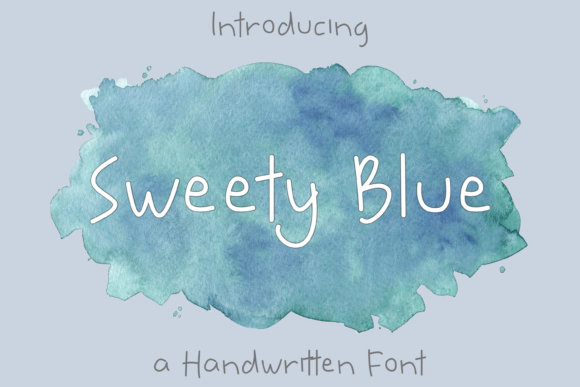
At first glance, Sweety Blue presents a soft, rounded aesthetic. The letterforms are consistent and legible, avoiding the overly messy or chaotic look some script fonts can have. Its strokes have a natural, gentle flow, creating a rhythm that feels easy on the eyes. This isn't a premium font trying to be ostentatious; its strength lies in its simplicity and approachability. The personality is unmistakably friendly, optimistic, and a little bit playful, making it an excellent creative font for projects that need to connect on an emotional level.
While it excels as a display font for headlines and logos, its clarity is noteworthy. The spacing between characters is thoughtful, preventing the letters from crowding each other, which is a common issue with many handwritten fonts. This careful design ensures that Sweety Blue remains readable even at smaller sizes, a crucial consideration for both digital and print applications. It bridges the gap between a distinctive script font and a functional typeface for short-form text.
Where Sweety Blue Truly Shines
The versatility of Sweety Blue is one of its greatest assets. Its natural style makes it a fitting choice for a wide array of design contexts, limited only by the scope of your imagination. Let’s explore some practical applications where this font can elevate your work.
Branding and Identity
For brands targeting a younger demographic or those in lifestyle, wellness, food, or artisanal markets, Sweety Blue can become a cornerstone of the brand identity. Imagine it on a bakery’s logo, a handmade cosmetics label, or a boutique coffee shop’s menu. It instantly communicates a brand that is personal, caring, and unpretentious. It works beautifully for logo design when you want the name itself to feel like a signature. However, for commercial font use in logos, always verify the licensing permits this application. Pairing it with a clean sans serif font for body text creates a balanced and professional look.
Marketing and Social Media
In the fast-paced world of social media graphics, grabbing attention is paramount. Sweety Blue’s friendly demeanor is perfect for creating engaging Instagram stories, Facebook posts, or Pinterest pins. Use it for quotes, call-to-action phrases, or promotional headers. Its handwritten feel cuts through the noise of standard corporate fonts, making your message feel more like a personal recommendation than an advertisement. For email marketing, it can be used sparingly in subject lines or highlighted text to increase open rates and engagement.
Publishing and Editorial Design
Within editorial design, Sweety Blue finds a natural home in publications that aim for a relaxed, personal tone. Think of chapter titles in a lifestyle cookbook, pull quotes in a wellness magazine, or headers in a blog post about creative hobbies. It adds a layer of visual interest and personality that standard serif fonts or sans serif fonts might not provide. It’s also an excellent choice for book cover designs in genres like young adult fiction, romance, or personal development, where conveying emotion is key.
Packaging and Product Design
Product packaging is a silent salesperson on the shelf. Using Sweety Blue on labels for artisanal jams, craft supplies, or children’s products can make the packaging feel more approachable and trustworthy. It suggests that there’s a real person behind the product who cares about quality and customer experience. This application leverages the font’s ability to build an immediate, positive perception.
Digital and Web Design
While not a primary web design font for body copy, Sweety Blue has a strong role to play in digital spaces. It’s ideal for website banners, promotional pop-ups, hero section headings, or as a stylized font for specific UI elements like buttons in a creative portfolio. Its use can break the monotony of a page and guide the user’s eye to important information. Remember, in digital contexts, always test for legibility across different screen sizes and resolutions.
Personal Projects and Craft
Beyond commercial applications, Sweety Blue is a fantastic design asset for personal use. Create custom invitations for a birthday party, design heartfelt greeting cards, personalize a scrapbook, or craft unique wall art. For hobbyists and crafters, having a font like this in your toolkit opens up countless possibilities for adding a professional, yet personal, touch to handmade items.
Practical Guidance for Using Sweety Blue
Knowing a font is versatile is one thing; knowing how to implement it effectively is another. Here’s some practical advice for working with Sweety Blue.
Evaluating Project Fit: Before selecting any font, ask yourself about the project’s core message. Is it serious and authoritative, or friendly and inviting? Sweety Blue leans heavily toward the latter. If your goal is to convey corporate stability, this might not be the right choice. If you’re aiming for approachability and creativity, it’s a strong contender.
Testing Font Pairings: A font pairing is crucial for creating visual hierarchy and ensuring readability. Sweety Blue, as a display font, pairs exceptionally well with neutral, highly legible fonts. Try combining it with a geometric sans serif font like Montserrat or a classic serif font like Lora for body text. The contrast allows Sweety Blue to shine in headlines without overwhelming the reader.
Reviewing Included Styles: Check if the font family includes different weights or styles. Some versions of Sweety Blue might offer a bold or light variation, which can be useful for creating emphasis and hierarchy within your design system.
Readability Considerations: While legible for a script font, Sweety Blue is best used for short bursts of text—headlines, subheads, and pull quotes. Avoid setting long paragraphs in it, as the continuous flow of handwritten text can become tiring to read. Always conduct a readability test by viewing your design at its intended size and distance.
Understanding Commercial Licensing: This is a critical, often overlooked step. The font is offered as a freebie, but “free” can have different meanings. Carefully read the license agreement. Does it allow for commercial use in logos, on products for sale, or in client work? Some free fonts are for personal use only. Ensuring you have the correct license protects you legally and is a mark of professional practice.
In the end, Sweety Blue is more than just a collection of glyphs; it’s a tool for communication. Its simple, friendly nature makes it incredibly adaptable, but its true power lies in its ability to make your designs feel more human. By understanding its character, applying it thoughtfully, and pairing it wisely, you can use this handwritten font to create work that doesn’t just look good, but also genuinely connects with your audience. Get this amazing freebie, experiment with its potential, and see how it can bring a fresh, personal energy to your next project.