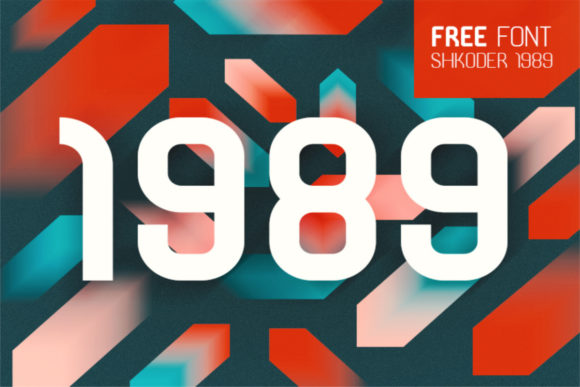
Shkoder 1989: A Techy Throwback for Modern Design
Capturing the 90s Spirit in a Digital Age
There is a distinct energy associated with the late 1980s and early 1990s—a blend of emerging digital technology, bold sportswear aesthetics, and a certain raw, geometric optimism. The Shkoder 1989 typeface is a direct embodiment of that era's visual language. It’s not merely a font; it’s a stylistic time capsule designed to inject a specific kind of vigor into contemporary projects. Characterized as both “techy” and “sporty,” Shkoder 1989 leverages an all-caps structure that commands attention. Its letterforms are clean, sturdy, and unmistakably influenced by the graphic design trends of three decades past, yet it feels surprisingly relevant for today's digital and print landscapes.
The personality of Shkoder 1989 is assertive and functional. It avoids the frills of a script font or the casualness of a handwritten font. Instead, it leans into a sans serif font foundation with subtle geometric influences. The design includes a generous set of glyphs, which is crucial for creating that authentic 90s feel. These aren't just standard characters; they are crafted details that allow designers to experiment with texture and rhythm. For anyone working on logo design, packaging design, or social media graphics, this font offers a tool that is both stylistically specific and broadly applicable. It functions as a display font, meaning it’s built to shine in headlines, banners, and prominent text where its full character can be appreciated.
Strategic Applications: From Brand Identity to Editorial Layouts
Understanding where a font like Shkoder 1989 excels is key to using it effectively. Its inherent boldness and clarity make it a strong candidate for projects that require immediate recognition and impact. Consider brand identity for a tech startup, a sports apparel line, or a retro-themed café. Shkoder 1989 can form the backbone of a visual system, offering a consistent and memorable voice across all touchpoints. In web design, it can be used for hero sections, feature titles, or navigation menus where you want to establish a strong tone from the first click.
In the realm of editorial design and publishing, this premium font proves its versatility. Imagine a magazine cover for a gaming publication, a book chapter opener for a sci-fi novel, or the title sequence for a documentary about 90s culture. The font’s two weights provide enough contrast to create a basic visual hierarchy without needing to introduce a second typeface. For packaging design, especially for products like energy drinks, athletic gear, or electronics, Shkoder 1989 can communicate energy and modernity. Its all-caps nature ensures product names and key messages are legible even from a distance on a crowded shelf.
Entrepreneurs and small business owners can leverage this creative font for marketing collateral that needs to stand out. Think of event posters, sale announcements, or promotional flyers. The font’s distinct style helps materials feel curated and professional, which in turn influences how the audience perceives the brand. It’s a practical design asset that can elevate the look of a newsletter header, a PowerPoint presentation, or even a custom t-shirt design for a craft business.
Practical Guidance for Implementation and Pairing
Choosing and deploying a display font like Shkoder 1989 requires a bit of strategy. First, evaluate its fit with your project’s core message. If the goal is to convey tradition, elegance, or handwritten warmth, this font might not be the right choice. But if the brief calls for energy, clarity, and a touch of nostalgic futurism, it’s worth serious consideration. Always test it in context. Mock up a few key deliverables—a potential logo, a social media post, a website header—to see how its personality interacts with your other content and imagery.
A critical step is mastering font pairing. Because Shkoder 1989 is a strong display face, it typically pairs best with a more neutral, readable body text font. A clean sans serif font or a traditional serif font for body copy can provide a necessary resting place for the reader’s eye, allowing the headlines set in Shkoder 1989 to pop without causing visual fatigue. Avoid pairing it with other highly stylized fonts, as this can create competition and clutter. The goal is contrast, not chaos.
Before finalizing your choice, review the specific styles and glyphs included with your license. The extra characters are a major part of its value, offering alternate letters and symbols that can add unique flair to a design. Pay close attention to readability considerations. While it’s excellent for short bursts of text, using an all-caps display font for long paragraphs will harm readability and user experience. Finally, ensure you understand the commercial licensing terms. If you’re using it for client work, merchandise, or digital products, you need the appropriate license to avoid legal issues down the line.
In the end, Shkoder 1989 is more than just a collection of letterforms. It’s a modern typography