Fifteenth Century: Bold Blackletter for Modern Design
A Typeface with Unmistakable Character
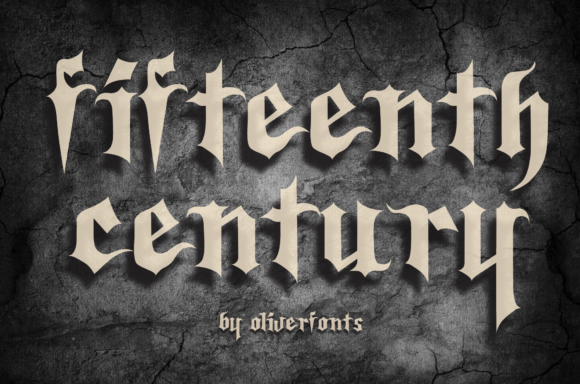
When you first encounter the Fifteenth Century typeface, its presence is immediate. This isn't a font that whispers; it speaks with a distinct, historical voice rooted in the blackletter tradition. Think of the dense, textured pages of medieval manuscripts or the bold headlines of early printed books. That's the visual DNA here—sharp, angular strokes, heavy vertical lines, and an intricate, almost architectural structure. It’s a premium font in spirit, offered as a fantastic freebie, that carries the weight and authenticity of its name. The "original look" isn't just marketing talk; it genuinely feels pulled from a different era, yet its construction is clean enough for contemporary use.
The personality of Fifteenth Century is one of authority, tradition, and a touch of the dramatic. It’s not trying to be friendly or minimalist. Instead, it leans into a bold display font aesthetic that commands attention. The visual texture is rich, making it ideal for projects where you want to evoke a sense of history, craftsmanship, or Gothic grandeur. However, its application isn't limited to historical recreations. A skilled designer can leverage its strong forms to create something surprisingly modern and edgy, especially when used thoughtfully in logo design or as a standout headline in editorial design.
Where This Blackletter Font Truly Shines
Understanding where Fifteenth Century fits best is key to using it effectively. Its inherent strength is as a display font—meant for short, impactful text. Think titles, headers, logos, and single-word callouts. It’s the perfect creative font for projects that need a strong initial impression. Consider using it for:
- Branding & Logo Design: For brands that want to convey heritage, strength, or a niche, artisanal quality—think craft breweries, historical societies, specialty bookshops, or even a heavy metal band. It can form a powerful monogram or a striking wordmark.
- Editorial & Publishing: Magazine covers, chapter titles in a fantasy novel, or section headers in a themed publication. It pairs exceptionally well with a clean sans serif font for body text, creating a strong visual hierarchy.
- Packaging & Labels: Especially for products like aged spirits, gourmet sauces, or artisanal goods where a sense of tradition and authenticity enhances the brand identity.
- Event & Stationery Design: Wedding invitations for a gothic-themed ceremony, concert posters, or event tickets. Its "crafty ideas" appeal makes it great for letterheads and titles on personal stationery that aims for a unique, handcrafted feel.
- Digital & Social Media: A bold headline graphic for a blog post, a thumbnail for a video essay on history or literature, or a standout quote in a social media graphic. It adds instant visual weight to a feed.
Conversely, it’s crucial to avoid using Fifteenth Century for long paragraphs of text. Its intricate letterforms, while beautiful, can severely hinder readability at smaller sizes and in dense blocks. For body copy, always opt for a highly legible serif font or sans serif font. The magic is in the contrast: use Fifteenth Century for the impactful 5% of your text, and let a workhorse font handle the other 95%.
Practical Guidance for Your Projects
Before you dive in, a little strategic planning goes a long way. First, evaluate the project fit. Does your client or project’s core message align with the historical, bold, and somewhat niche personality of this typeface? If you're designing for a cutting-edge tech startup, it’s likely a mismatch. If you're working on a brand for a heritage workshop, it could be perfect.
Next, master the art of font pairing. This is where Fifteenth Century can either soar or stumble. Because it’s so distinctive, it needs a partner that complements without competing. A simple, geometric sans serif font (like a clean Helvetica or Futura) often works well, letting the blackletter headline pop against a neutral background. For a more traditional feel, a sturdy, readable serif font like Garamond or Caslon can create an elegant, bookish contrast. Avoid pairing it with other ornate script fonts or handwritten fonts, as the visual noise becomes overwhelming.
Always review the included styles and character set. Does the font include alternate characters, ligatures, or extended punctuation? These details can elevate your design from good to great, allowing for more nuanced typographic composition. Test it thoroughly in your intended context—mock up a business card, a website header, or a social media post to see how it performs in real-world design assets.
Finally, mind the commercial licensing. Since Fifteenth Century is provided as a freebie, its license terms are paramount. Scrutinize the details: Is it free for both personal and commercial use? Are there any restrictions? Using a font without the proper license can lead to legal headaches down the line. For any professional or commercial font project, ensuring you have the right to use the asset is non-negotiable.
In essence, Fifteenth Century is a powerful tool in a designer's arsenal, not a universal solution. Its strength lies in its ability to inject personality, history, and bold visual impact into the right project. Used with intention and paired wisely, this blackletter font can help create designs that are not just seen, but remembered.