Lumber: A Creative Font for Bold Branding and Design
When you're sifting through countless design assets for a project, finding a typeface that feels genuinely fresh can be a breakthrough. Lumber is one of those finds. It’s a display font that doesn’t just sit quietly in the background; it has a voice. With its slightly irregular letterforms and a personality that walks the line between approachable and assertive, Lumber offers a distinct visual character. This isn't about theoretical purity in typography; it's about giving your work a memorable edge that resonates with a real-world audience.
The Visual Personality of the Lumber Typeface
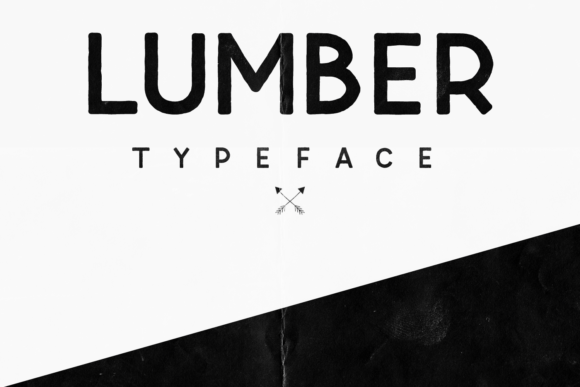
At its core, Lumber is a premium font designed for impact. Its visual style is best described as quirky yet sturdy. The letterforms have subtle variations in weight and alignment that give them a handcrafted, almost tactile quality, reminiscent of wood grain or a well-used tool. This isn't a sterile, geometric sans serif font, nor is it a formal, traditional serif font. It occupies a unique space, offering the legibility of modern typography with the warmth and character of a handwritten font or script font, but without sacrificing readability for artistic flair.
The overall appeal lies in this balance. It feels authentic and grounded, making it an excellent creative font for projects that need to convey personality without being overly whimsical. Think of it as the typographic equivalent of a perfectly worn leather jacket or a well-crafted wooden sign—it has history, texture, and instant recognition.
Where Lumber Truly Shines: Practical Applications
Understanding a font's strengths helps you deploy it effectively. Lumber isn't a workhorse for body text; it's a specialist for making statements. Here’s where it excels across different contexts:
Branding and Identity
For logo design, Lumber can be transformative. It’s ideal for brands that want to project authenticity, craftsmanship, or a down-to-earth vibe. Picture it on a coffee roaster's packaging, a boutique brewery's label, or a handmade goods shop's identity. The font helps build a brand identity that feels established and trustworthy, yet modern and engaging. It’s a fantastic choice for entrepreneurs and small business owners looking to stand out from competitors using generic, overused typefaces.
Editorial and Publishing
In editorial design, such as magazine headlines, book covers, or blog post titles, Lumber captures attention instantly. Its unique character makes a strong first impression, drawing readers into the content. For publishers and bloggers, using Lumber for section headers or pull quotes can break up visual monotony and inject energy into layouts. It pairs surprisingly well with clean, neutral body fonts, creating a dynamic font pairing that guides the reader's eye through a clear visual hierarchy.
Marketing and Digital Spaces
For social media graphics, website banners, and advertising, Lumber's personality cuts through the digital noise. It’s perfect for creating shareable quotes, promotional announcements, or hero text on a landing page. In web design, using it for key headers can significantly boost engagement and brand recall. Its distinctiveness ensures your message isn’t just seen but remembered, which is crucial for marketers and content creators building an audience.
Packaging and Physical Products
This is where Lumber's tactile quality truly comes alive. In packaging design, it conveys quality and care. Imagine it on artisan food products, craft supplies, or outdoor gear. The font suggests that what's inside is made with intention, enhancing the perceived value of the product. It’s a powerful tool for anyone in e-commerce or retail looking to create a premium unboxing experience.
Making Lumber Work for You: Practical Guidance
Choosing the right font involves more than just liking how it looks on a sample page. Here’s how to evaluate and implement Lumber effectively in your projects.
Evaluating Project Fit
First, consider your project's core message. Does it align with Lumber's personality—authentic, creative, and slightly rugged? It’s a fantastic fit for projects related to the outdoors, craftsmanship, food and beverage, or any brand with a hands-on ethos. For highly formal corporate contexts or luxury brands aiming for sleek minimalism, it might feel out of place. Always test it against your specific content and audience expectations.
Testing and Pairing
Never choose a font in isolation. Download the trial or preview version and test Lumber with your actual text. See how it handles different letter combinations and word lengths. For font pairing, contrast is key. Pair Lumber with a simple, clean sans serif font or a neutral serif font for body copy. This allows Lumber's character to headline without overwhelming the reader. Avoid pairing it with other highly stylized fonts like a busy script font, as they will compete for attention.
Understanding the Package
A commercial font like Lumber often comes with more than just the basic alphabet. Review what's included: Are there multiple weights (regular, bold)? Are there stylistic alternates or ligatures that can add extra flair? Are there multilingual characters for your audience? Knowing these details helps you leverage the full potential of this design asset and maintain consistency across all your materials.
Readability and Licensing
While Lumber is designed for display, always test its readability at the intended size, especially on screens. Ensure the visual hierarchy is clear—your headline should be instantly legible. Finally, respect the commercial licensing. If you're using it for a client project, merchandise, or a product you sell, ensure your license covers that use. This protects you legally and supports the type designers who create these valuable tools.
Lumber is more than just a creative font; it's a strategic tool for building recognition and personality. By understanding its character and applying it thoughtfully, you can elevate your brand identity