Milkshake: The Elegant Script Font for Modern Designers
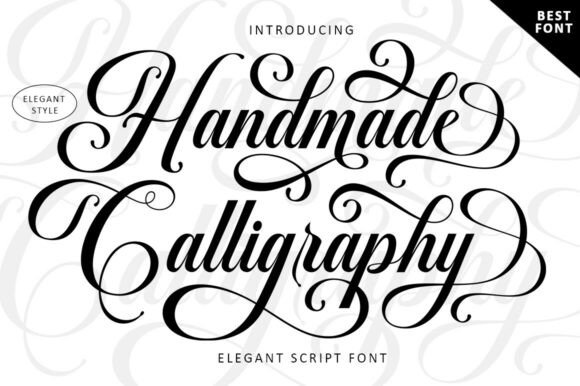
There is a specific challenge in digital design: finding a typeface that feels personal without looking messy, and sophisticated without becoming stiff. After years of working with various premium fonts, I have found that Milkshake strikes a rare balance. It is a script font that captures the fluidity of natural handwriting but polishes it with the precision required for professional branding. If you are tired of display fonts that look like they were made for a child’s birthday party, and you find standard sans serif fonts too cold for your message, this typeface offers a compelling middle ground.
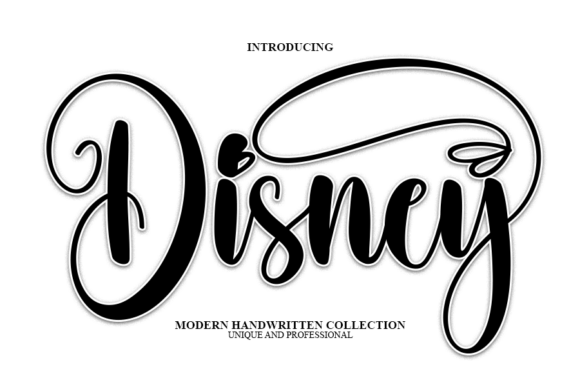
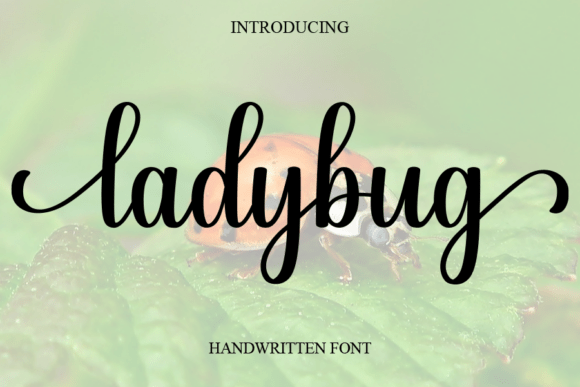
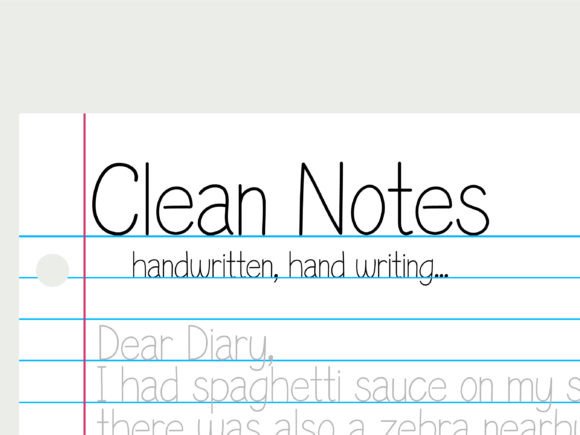
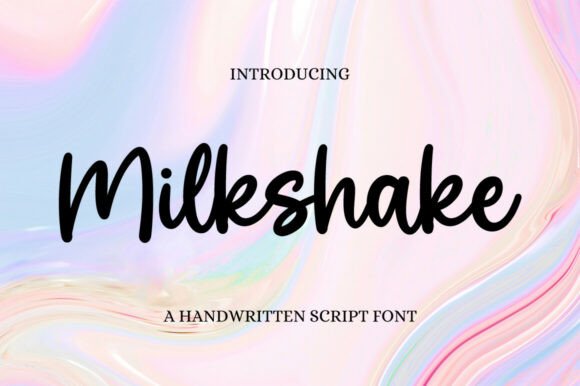
Visually, Milkshake is defined by its thick, sturdy strokes and rounded terminals. Unlike thin, spindly scripts that disappear on screens, this handwritten font has a confident presence. It was designed to be legible even at smaller sizes, which is a rarity in the world of decorative typography. The letterforms connect in a way that mimics natural cursive, but the spacing is carefully managed to prevent the letters from colliding. This attention to kerning and legibility makes it a reliable design asset for projects where clarity is just as important as style.
Refining Your Visual Identity
When you are building a brand identity, every visual element sends a signal. A jagged, rough font suggests edginess or urgency, while a geometric serif font suggests tradition and authority. Milkshake signals approachability and elegance. It feels handmade, which adds a layer of trust and warmth to a brand, but it is refined enough to look professional. This makes it an excellent choice for lifestyle brands, boutique agencies, and personal brands that rely on a human connection with their audience.
Consider how typography influences visual hierarchy. In a layout, you often need a contrast between your headline and your body copy. Milkshake works beautifully as a headline font when paired with a clean, open sans serif for the body text. For example, using Milkshake for a pull quote or a section title draws the eye immediately without overwhelming the page. It creates a focal point that guides the reader through the content. Because it is a creative font with a strong personality, it helps break the monotony of text-heavy pages, making the reading experience more dynamic and engaging.
Practical Applications Across Media
The versatility of Milkshake is evident in how well it transitions between digital and print media. In the realm of web design, it is a strong contender for hero sections and landing pages. Many marketers and entrepreneurs struggle to find fonts that load well and render clearly on high-resolution displays. Milkshake’s solid construction ensures it remains crisp, whether viewed on a desktop monitor or a mobile screen. It is particularly effective for call-to-action buttons or promotional banners where you want to inject a bit of personality.
For social media graphics, where you have only a split second to grab attention, this font shines. It is perfect for Instagram quotes, Pinterest pins, and Facebook headers. The modern typography style feels current and trendy, which helps content creators and bloggers maintain a cohesive aesthetic across their feeds. It pairs exceptionally well with lifestyle photography, overlaying images without obscuring the subject matter.
Beyond the screen, Milkshake excels in packaging design and editorial design. If you are working on a magazine layout or a book cover, this font adds a touch of flair to headlines that standard text cannot achieve. For packaging, particularly in the food, beauty, or fashion industries, the script style suggests craftsmanship. It tells the consumer that the product inside is curated and special. It is also a staple for wedding invitations and stationery art, where the aesthetic of natural handwriting is highly prized for its romantic and intimate feel.
Technical Considerations and Font Pairing
Choosing a font is not just about how pretty the letters are; it is about functionality. One of the practical advantages of Milkshake is its weight. Lighter scripts often struggle with contrast issues on light backgrounds. Milkshake’s boldness allows it to sit comfortably on both dark and light backgrounds, giving you more flexibility in your color palette.
When it comes to font pairing, you want to avoid visual competition. Since Milkshake is a display-oriented script, do not pair it with another decorative or serif font that has high contrast. Instead, look for a neutral geometric sans serif. Fonts like Montserrat, Lato, or Open Sans provide a clean, structural framework that lets the fluid lines of Milkshake stand out. This combination creates a professional tension—modern structure meeting organic flow—that is pleasing to the eye.
It is also vital to consider licensing. Milkshake is a commercial font, meaning you can use it for client work, merchandise, and digital products without legal risk. This is crucial for small business owners and designers who sell templates or goods. Relying on free, unlicensed fonts can lead to legal headaches down the road. Investing in a premium font like this ensures you have the full rights to the asset, including often a web font version for your CSS files.
Final Thoughts on Implementation
My advice for using Milkshake effectively is to treat it as an accent, not the entire voice. Use it for the "shout"—the headlines, the logos, the specific call-outs. Do not use it for long paragraphs of body copy, as that will fatigue the reader’s eye. Instead, let it do the heavy lifting for your visual branding while a simpler typeface handles the data.
Test it in your specific context. If you are designing a logo, type out the brand name and see how the letters interact. Sometimes, you may need to adjust the tracking (letter spacing) slightly depending on the letters used. Because it is such a versatile typeface, it adapts well to custom tweaking. Whether you are a crafter designing a t-shirt, a publisher laying out a cover, or a marketer creating an ad campaign, Milkshake provides that sophisticated, human touch that automated, standard fonts lack. It bridges the gap between professional design and personal expression, making it a valuable tool in any creative’s arsenal.