Dexotick: The Handwritten Font That Adds Instant Personality
Finding a font that feels genuinely personal can be a challenge. Many script fonts look overly formal or too casual, failing to hit that sweet spot of approachable elegance. Dexotick is a creative and cursive handwritten font that manages to bridge that gap beautifully. It’s designed with unique, well-balanced characters, making it a surprisingly versatile tool for a wide range of projects. As the author, Maulizari Dhan, notes, adding it to your most creative ideas will make them come alive. This isn’t just another display font; it’s a design asset with a distinct voice.
The Visual Character of Dexotick: More Than Just Loops and Swashes
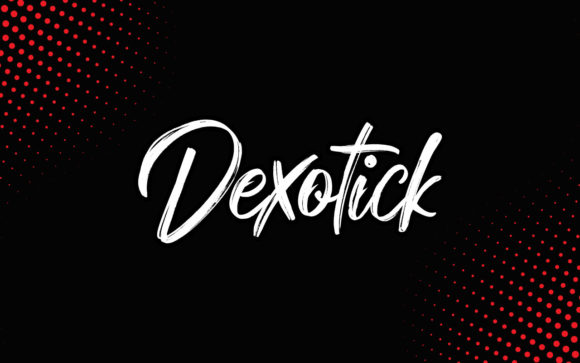
At first glance, Dexotick presents a fluid, natural rhythm. The letterforms have a confident, hand-lettered quality that avoids the common pitfalls of looking either too childish or too stiff. The baseline has a gentle, organic flow, and the characters connect in a way that feels intuitive rather than forced. This is the hallmark of a well-crafted script font—the connections don’t look mechanical. The overall personality is warm, inviting, and slightly artistic. It carries a modern typography sensibility, meaning it feels fresh and relevant for today’s design landscape, not like a relic from a past era.
What makes Dexotick a premium font is its attention to detail. The letter spacing is carefully considered, ensuring readability isn’t sacrificed for style. The stroke weight is consistent enough to maintain clarity at various sizes, a crucial factor for any creative font intended for more than just a headline. It’s this balance between expressive character and practical design that allows it to work across so many different contexts. It’s a typeface that communicates creativity and thoughtfulness without shouting.
Practical Applications: Where Dexotick Shines Brightest
Knowing where a font works best is key to using it effectively. Dexotick’s strength lies in applications where personality and connection are paramount. It’s not the font for body text in a legal document, but it’s exceptional for projects that need a human touch.
- Brand Identity & Logo Design: For small businesses, boutiques, cafes, or personal brands, Dexotick can form the core of a memorable logo. It instantly communicates approachability and craftsmanship. Paired with a clean sans serif font for supporting text, it creates a professional yet personal brand identity.
- Packaging Design: Imagine Dexotick on a artisanal food label, a craft beverage bottle, or a handmade cosmetics package. It adds a layer of authenticity and care that consumers respond to. It tells a story of quality and attention to detail before the product is even opened.
- Editorial & Publishing: In magazines, blogs, or book covers, Dexotick is perfect for pull quotes, chapter titles, or section headers. It breaks up the monotony of standard serif or sans serif fonts, guiding the reader’s eye and adding visual interest to the layout.
- Web Design & Social Media: Digital applications are a natural fit. Use it for website headers, call-to-action buttons (where size permits), or standout social media graphics. Its handwritten style helps content feel more genuine and engaging in a crowded digital space, boosting audience connection.
- Marketing & Advertising: From email newsletters to flyer designs, Dexotick can highlight key messages or promotions. It draws attention in a friendly, non-aggressive way, which can be more effective than bold, capitalized sans serif type in certain campaigns.
- Personal & Craft Projects: For wedding invitations, greeting cards, personalized stationery, or DIY projects, Dexotick adds a beautiful, custom feel. It elevates a hobbyist’s work to look more professional and polished.
Integrating Dexotick into Your Design Workflow
Simply liking a font isn’t enough; you need to know how to use it well. Here’s some practical guidance for working with Dexotick.
Evaluating Fit and Testing Pairings
Before committing, ask: Does this font’s personality match my project’s voice? Dexotick is friendly, artistic, and modern. If your project requires extreme formality or a stark, minimalist tech aesthetic, it might not be the right choice. For most other creative endeavors, it’s a strong contender.
The most important step is testing font pairings. Dexotick, as a script font, needs a partner that provides contrast and stability. A sturdy, geometric sans serif font often works wonderfully for body copy or secondary information. A simple, classic serif font can also create an elegant pairing. Avoid pairing it with another highly decorative or script font, as this creates visual chaos. The goal is hierarchy and harmony.
Considering Readability and Hierarchy
Readability is non-negotiable. Use Dexotick at sizes where its letterforms remain clear. It’s generally best suited for short bursts of text—headlines, titles, logos, and call-outs. For longer passages or small text sizes, switch to your chosen body font. Use Dexotick strategically to create a strong visual hierarchy: it should be the element that draws the eye first, guiding the viewer through your design.
Understanding Licensing and Usage
As a commercial font, it’s essential to review the licensing terms included with your purchase. Most premium fonts come with a license that covers a specific number of users or projects. Ensure your use—for a client’s logo, for merchandise, for a website—aligns with the license you acquire. Respecting font licensing is a mark of professionalism in the design community.
Final Thoughts on a Versatile Creative Asset
Dexotick is more than just a collection of cursive letters. It’s a thoughtfully designed typeface that brings a specific, valuable quality to the table: authentic personality. In a world saturated with generic visuals, using a font like this can be a strategic choice. It helps small businesses stand out, gives publishers a tool for engaging layouts, and allows creators to infuse their work with a distinct style. By understanding its character and applying it with intention, you can leverage Dexotick to enhance communication, strengthen brand perception, and make your creative ideas genuinely resonate.