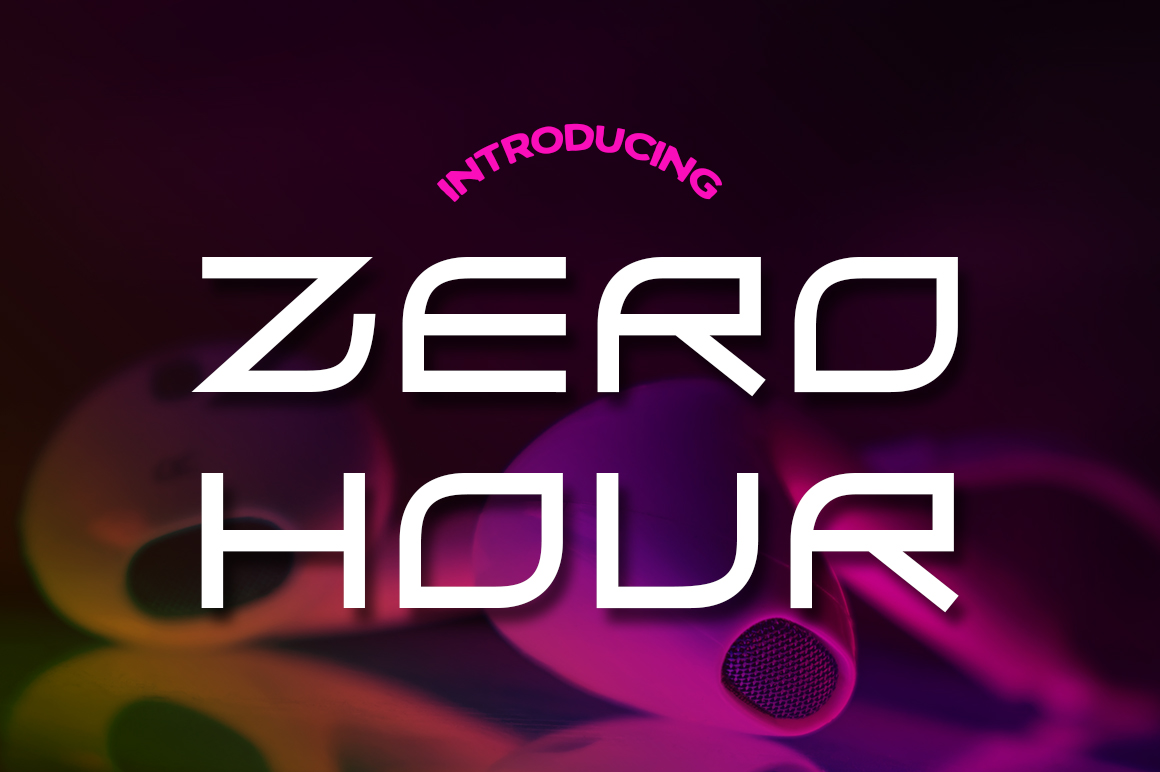
Zero Hour: A Nostalgic Yet Futuristic Sans Serif
There's a certain energy to the typography of the late 90s. It was a period of digital optimism, a time when designers were exploring the new frontiers of screen-based graphics. This aesthetic, often characterized by bold, all-caps letterforms and a slightly stretched or futuristic feel, is making a powerful comeback. If you're looking to capture that specific blend of retro nostalgia and forward-thinking design in your projects, the Zero Hour font is a standout choice. It’s a free, all-caps sans serif digital typeface that channels this unique visual language, offering a potent tool for designers, marketers, and creators aiming for a specific, high-impact look.
The Visual DNA of Zero Hour
At its core, Zero Hour is a sans serif font with a distinct personality. It’s not trying to be a neutral, workhorse typeface like Helvetica or Arial. Instead, it leans heavily into its role as a display font. The letterforms are clean and geometric, but with subtle stylistic quirks that give it character. You'll notice the slightly condensed, or "outstretched," proportions that were so common in 90s-inspired digital design. This isn't a script font or a handwritten font; it’s a bold, declarative statement. The all-caps nature means it’s built for headlines, logos, and short, punchy phrases where maximum visual impact is the primary goal.
The appeal of Zero Hour lies in this specific personality. It feels technological, confident, and slightly edgy. It evokes the aesthetics of early video game interfaces, techno music album covers, and the burgeoning web design scene of the late 20th century. For a brand identity project that needs to feel both retro and cool, or for social media graphics that need to cut through a busy feed, this typeface provides an immediate visual shorthand. It’s a creative font that doesn’t just spell out words; it communicates a mood.
Where to Deploy Zero Hour for Maximum Effect
Understanding a font's strengths is key to using it effectively. Because Zero Hour is a high-impact display font, its ideal applications are in contexts where it can be used large and in short bursts. Trying to set a full paragraph of body text with it would be a mistake, as its stylistic nature would quickly become fatiguing to read. Instead, think of it as a design accent or a headline specialist.
In logo design, Zero Hour can be a fantastic choice for brands in the tech, gaming, music, or extreme sports spaces. Its bold, geometric letterforms create a strong, memorable mark. Paired with a simpler sans serif font or even a classic serif font for body copy, it can establish a powerful visual hierarchy. For editorial design, consider it for magazine cover headlines, chapter titles, or pull quotes. It instantly adds a layer of modern, edgy appeal to a layout.
The applications extend across the creative spectrum:
- Packaging Design: Use it for product names on items targeting a younger, trend-aware demographic. Think energy drinks, tech gadgets, or streetwear.
- Web Design: It’s perfect for hero section headlines or call-to-action buttons where you need to grab attention immediately. As a web font, its digital-native design ensures it renders crisply on screens.
- Marketing Materials: Create eye-catching headlines for posters, flyers, and digital ads. Its strong presence ensures your message is seen.
- Personal Projects: For crafters and hobbyists, Zero Hour is a great design asset for creating custom t-shirts, stickers, or digital planners with a cool, retro-tech vibe.
Pairing and Practical Considerations
A great font pairing is like a good conversation—one voice leads, and the other supports. With a strong personality like Zero Hour, the goal is to find a complementary partner that provides balance and readability. A common and effective strategy is to pair a bold display font with a more neutral and legible one for body text.
For instance, you could pair Zero Hour with a clean, humanist sans serif font like Lato or Open Sans. The contrast in character—Zero Hour's stylistic flair versus the partner's neutrality—creates a clear hierarchy. For a more unexpected combination, try it with a timeless serif font like Garamond or Merriweather. The juxtaposition of a 90s-inspired digital font with a classic book typeface can feel surprisingly sophisticated and contemporary. Avoid pairing it with other highly decorative or stylistic fonts, as they will compete for attention and create visual chaos.
Before committing to Zero Hour for a client project or a commercial venture, it’s crucial to do your due diligence. While it is a free font, you must review its licensing terms. Is it free for personal use only, or does the license cover commercial applications? Always check the source—Typodermic, in this case—for the most accurate information. Furthermore, test it extensively in your specific context. See how it looks in your chosen color palette, on different backgrounds, and at various sizes. This testing phase is vital to ensure the font enhances your project's brand perception and professionalism rather than detracting from it.
In a world saturated with generic design, choosing a font with a strong point of view like Zero Hour can be a strategic move. It’s a tool for creators who want to make a specific statement, tap into a nostalgic aesthetic, or inject a dose of digital confidence into their work. Used thoughtfully, it’s more than just a typeface; it’s a piece of modern typography that can help define a project's entire visual identity.