Trick or Treat: A Font That Captures Whimsy and Artistry
Understanding the Personality Behind the Type
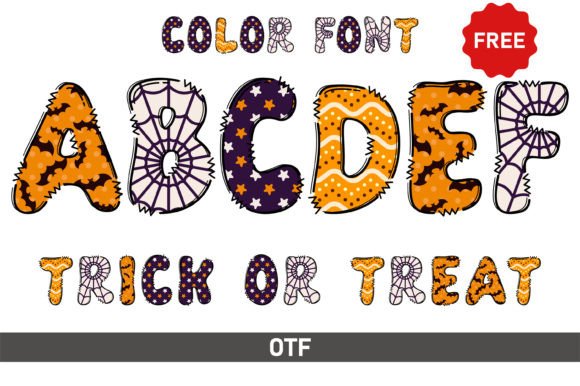
Finding the right typeface is often the bridge between a design that works and one that truly connects. Trick or Treat is a premium font that steps away from the rigid geometry of standard office typefaces. It occupies a unique space between a script font and a handwritten font, offering a fluid, artistic aesthetic that feels personal and approachable. Visually, the letterforms feature irregular baselines and organic strokes that mimic natural handwriting, yet they maintain a legibility that is often missing in overly "messy" display fonts.
The "personality" of this typeface is undeniably playful. It doesn’t take itself too seriously, making it an excellent choice for projects that need to convey warmth, creativity, or a sense of fun. It avoids the stiffness of traditional serif fonts and the neutrality of sans serif fonts. Instead, it invites the viewer in, much like a handwritten note. For designers and creatives, this means you can use it to soften a corporate edge or to amplify the joy in a celebratory design.
Where Trick or Treat Shines: Practical Applications
When you are working on editorial design or packaging design, the texture of your typography matters. Trick or Treat excels in environments where you want to establish an emotional connection immediately. Consider the world of children’s publishing; this font is perfectly suited for book covers and chapter headings. Its whimsical nature creates an engaging entry point for young readers, while the artistic flair appeals to parents browsing the shelves.
Beyond books, this typeface is a powerful tool in brand identity, particularly for businesses that sell experiences rather than just products. Think about bakeries, boutique gift shops, event planners, or artisan coffee roasters. Using Trick or Treat in your logo design or social media graphics can signal that your brand is approachable and distinct. It works exceptionally well for:
- Greeting Cards and Invitations: The font’s flow mimics the personal touch of a written invitation, adding intimacy to weddings, birthdays, or holiday cards.
- Poster Design: For local events, workshops, or farmers markets, this font grabs attention without feeling aggressive.
- Merchandise: It translates well onto tote bags, mugs, and apparel where a creative font adds value to the product.
In the realm of web design, however, context is everything. While Trick or Treat is a fantastic display font for headers or hero sections, it is not designed for body copy. Its decorative nature means that long paragraphs set in this typeface would fatigue the reader's eye. The key is to use it for impact—large headlines that set the mood—while pairing it with a clean, readable font for the supporting text.
The Technical Reality: Formats and Compatibility
One of the most critical aspects of choosing a design asset is understanding its technical limitations before you start your project. Trick or Treat is a versatile tool, but it requires the right environment to function correctly.
If you are a crafter or a small business owner using cutting machines like Cricut, you will need to pay close attention to the file versions. The standard black version of Trick or Treat is fully compatible with Cricut Design Space and similar software. This allows you to cut out intricate text designs for vinyl decals, paper crafts, and stencils without issue.
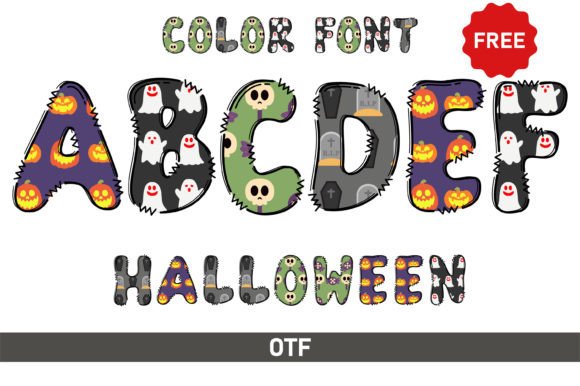
However, the font also comes in a color version, which is where the complexity lies. The color version is designed for professional graphic software. It is compatible with programs like PhotoShop, Illustrator, Silhouette, and Inkscape. If you attempt to use the color OTF or TTF files in Cricut Design Space, they will not work. This is a common limitation of advanced typography features. If your workflow involves printing colored text or creating digital social media graphics where the color data is preserved, you must use the compatible desktop software.
Strategic Pairing and Hierarchy
A single font rarely carries an entire design alone. Trick or Treat is a distinct voice, and it needs a partner that complements rather than competes. Because Trick or Treat has high visual energy, it pairs best with something grounded and minimal.
For a balanced visual hierarchy, try pairing it with a geometric sans serif font. The clean lines of the sans serif will provide a restful reading experience for body text, allowing the artistic strokes of Trick or Treat to stand out as headlines. This contrast is a staple of modern typography; you are balancing personality with professionalism.
When evaluating the font for your project, look at the included styles. Does it offer alternates or ligatures? Accessing these extra glyphs can turn a standard word into a piece of custom lettering, which is invaluable for logo design. Always test your specific text before finalizing a design. Some words naturally flow better in script styles than others. Check the spacing between letters to ensure that the "handwritten" flow doesn't result in letters crashing into one another, which can hurt readability.
Licensing and Professional Use
Finally, for entrepreneurs and agencies, the legal side of typography is just as important as the aesthetic. Ensure that the version of Trick or Treat you purchase includes a commercial license that covers your intended use. Whether you are using it for client work, print-on-demand merchandise, or digital products, respecting the licensing terms protects your business and supports the type designers who create these design assets.
In summary, Trick or Treat is more than just a display font