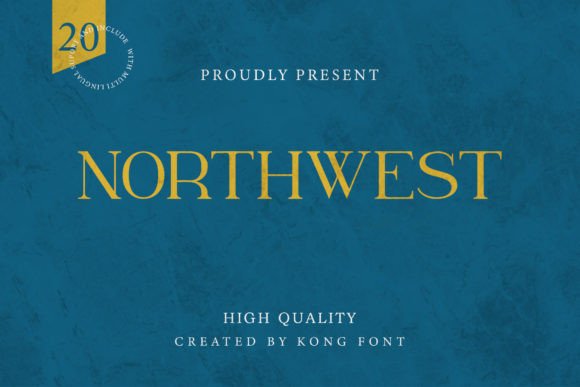
Northwest: A Fresh Take on Handwritten Typography
Understanding the Visual Appeal
When you first encounter the Northwest typeface, it strikes a balance that is surprisingly difficult to achieve. It manages to be a handwritten font without looking messy or overly casual. There is a distinct rhythm to the letterforms, characterized by smooth curves and a slight forward lean that suggests movement. Unlike rigid sans serif font families that can feel sterile, or heavy serif font options that feel dated, Northwest offers a breath of fresh air. It feels organic, almost like it was just sketched out, yet it retains a level of polish that makes it viable for professional use.
The personality of this script font is undeniably playful. It invites the viewer in, creating an immediate sense of warmth and approachability. This is not the font you use for legal disclaimers or dense body text. Instead, it is a display font designed to catch the eye. The kerning—the spacing between characters—is calibrated to ensure that even though the letters connect or flow into one another, they remain distinct enough to be read quickly. For anyone working in modern typography, this distinction is crucial. You want personality, but not at the expense of legibility.
Real-World Applications for Designers and Crafters
The versatility of Northwest is where it truly shines, particularly for those using specific design ecosystems. If you are a crafter, you likely know the frustration of finding a beautiful font only to discover it cuts poorly on a plotter. Northwest is optimized for compatibility with tools like Silhouette Design Studio. This means whether you are cutting vinyl for a tumbler, creating heat transfers for tote bags, or designing intricate paper crafts, the vector paths are clean. You won’t spend hours troubleshooting nodes or dealing with jagged edges. This practical compatibility turns it from just another design asset into a reliable workhorse.
For digital creators and entrepreneurs, the applications are just as broad. Consider your brand identity. If you run a boutique, a bakery, a lifestyle blog, or a coaching business, your visual voice needs to be welcoming. Northwest fits perfectly into packaging design for artisanal goods. Imagine a coffee bag or a candle label; the handwritten aesthetic suggests a human touch, implying that the product was made with care rather than mass-produced in a factory.
In the realm of web design and social media graphics, scroll-stopping power is everything. A creative font like Northwest is excellent for hero images on a website or as a header on a Pinterest pin. It contrasts beautifully against a clean sans serif font used for body copy. This contrast creates a dynamic visual hierarchy that guides the reader’s eye exactly where you want it to go. It is particularly effective for quotes, call-to-action buttons, or sale announcements where you want to inject some energy into the layout.
Strategic Use in Branding and Marketing
Choosing a typeface is a strategic decision, not just an aesthetic one. Fonts have psychological weight. When you choose Northwest, you are signaling a specific set of values to your audience. You are telling them that your brand is approachable, creative, and perhaps a bit unconventional. This is vital for logo design and editorial design. If you are designing a magazine cover or a book jacket, this font can set the tone immediately. It suggests a narrative voice that is personal and intimate, which is a powerful tool for content creators and publishers.
However, the "playfulness" of a font must be weighed against the context of the project. While Northwest is a premium font with high-quality construction, it might not be the right choice for a corporate law firm or a fintech startup aiming for a hyper-modern, futuristic look. It is best suited for industries where personality and human connection are selling points. Small business owners and marketers should evaluate the "voice" of their campaign. If the goal is to build community and warmth, this typeface is a strong contender.
Technical Considerations and Pairings
One of the most common mistakes I see in design is poor font pairing. Because Northwest is a script font with a lot of character, it can easily overpower other typefaces if not handled correctly. A general rule of thumb with modern typography is to pair a "loud" font with a "quiet" one.
I would recommend pairing Northwest with a geometric sans serif. Fonts like Montserrat, Poppins, or even a simple Arial or Helvetica can provide the necessary grounding. The sans serif handles the heavy lifting of the information—prices, descriptions, details—while Northwest handles the emotion and the headlines. This ensures readability across your marketing materials, whether it is a printed flyer or a mobile-responsive landing page.
Furthermore, when using Northwest in Photoshop, take advantage of the spacing. Since it is a handwritten font, it looks best when it has room to breathe. Avoid cramming it into tight text boxes. Let the lines breathe to maintain that airy, casual vibe. If you are using it for packaging design, ensure the size is large enough that the loops of the letters don’t close up when printed on textured paper stock.
Licensing and Commercial Viability
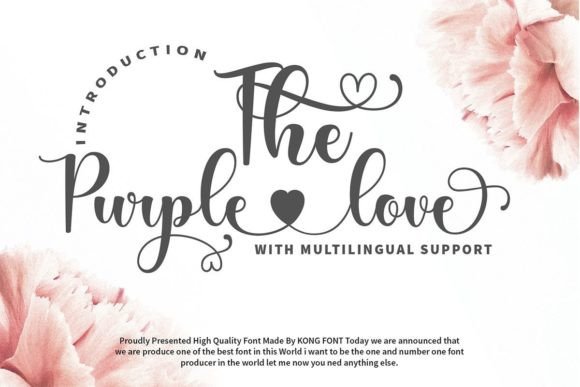
For entrepreneurs and professionals, the technical side of design assets is just as important as the visual side. It is vital to understand the licensing associated with the typefaces you use. Northwest is available through marketplaces like Creative Fabrica, created by the foundry Kong Font.
Before integrating this commercial font into your core brand identity, you must review the specific license details provided on the download page. Most licenses for fonts found on these platforms cover standard commercial use—logos, merchandise, and digital products. However, if you are a large enterprise or have specific needs regarding server embedding or massive distribution runs, verifying the terms ensures you stay compliant and professional.
Ultimately, Northwest is more than just a display font; it is a tool for connection. It bridges the gap between the digital and the analog, making your designs feel less like a computer generated them and more like a human crafted them. Whether you are a crafter working in Silhouette or a designer working in Photoshop, it offers a reliable, stylish way to inject personality into your work. It proves that modern typography doesn't always have to be cold and geometric; sometimes, the best way to look professional is to look a little more human.